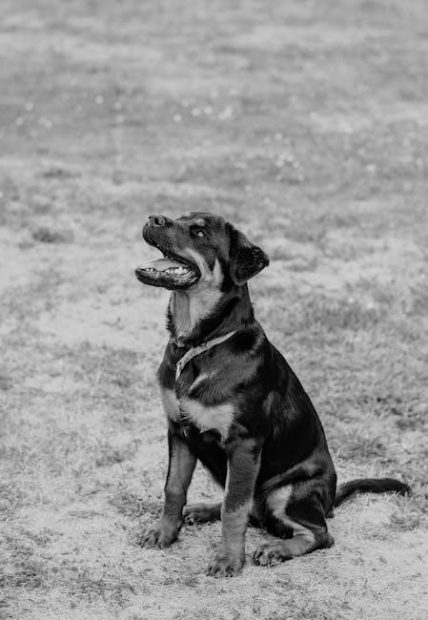
Rottweiler Puppy Feeding Guide: A Comprehensive Plan
Navigating a Rottweiler puppy’s nutritional journey demands diligence! Providing a balanced diet, rich in essential nutrients like calcium, phosphorus, protein, and fat, is paramount for optimal growth.
Understanding Your Rottweiler Puppy’s Nutritional Needs
Rottweiler puppies experience rapid growth, demanding a carefully considered nutritional approach. Unlike smaller breeds, their large size and muscular build necessitate a diet specifically formulated to support skeletal development and lean muscle mass. A puppy’s nutritional needs aren’t simply about quantity; it’s about the quality of the nutrients provided.

Essential nutrients like calcium and phosphorus are crucial for strong bone growth, but maintaining the correct ratio between them is vital to prevent developmental orthopedic diseases. Protein is the building block for muscle tissue, and a high-quality protein source is non-negotiable. Fat provides energy for their active lifestyle and aids in nutrient absorption.
Furthermore, fiber plays a role in digestive health, while minimizing carbohydrates is generally recommended. Rottweilers are prone to certain health issues, and proper nutrition during puppyhood can help mitigate these risks. Understanding these specific needs is the foundation for raising a healthy, robust Rottweiler. Regular veterinary check-ups are also essential to monitor growth and adjust the diet as needed.
Essential Nutrients for Rottweiler Puppy Growth
Rottweiler puppies require a precise balance of nutrients to fuel their rapid development. Protein, ideally from a high-quality animal source, is paramount for building and repairing tissues, supporting muscle growth crucial for this powerful breed. Fat provides concentrated energy, aiding in nutrient absorption and maintaining a healthy coat.
Calcium and phosphorus are fundamental for strong bone and teeth development, but their ratio is critical; imbalances can lead to skeletal issues. Fiber contributes to digestive health, promoting regular bowel movements and nutrient uptake. While carbohydrates provide energy, they should be present in minimal amounts to avoid excessive weight gain.
Beyond these core nutrients, vitamins and minerals play vital roles in various bodily functions. Vitamin D aids calcium absorption, while antioxidants support the immune system. A deficiency in any essential nutrient can hinder growth and potentially lead to health problems. Prioritizing a complete and balanced diet ensures your Rottweiler puppy receives everything needed for a strong, healthy start in life.
Choosing the Right Puppy Food
Selecting the appropriate puppy food is a cornerstone of your Rottweiler’s healthy development. Prioritize formulas specifically designed for large-breed puppies, as these are formulated to control growth rate and minimize the risk of developmental orthopedic diseases. Look for brands with a proven track record of quality and safety, and ideally, those that list a named meat source (like chicken or lamb) as the primary ingredient.
Avoid foods with excessive fillers, artificial colors, flavors, and preservatives. A shorter ingredient list often indicates a higher-quality product. Consider the food’s protein and fat content; Rottweiler puppies need a high-quality formula rich in these nutrients to support their rapid growth.

Consult with your veterinarian for personalized recommendations based on your puppy’s individual needs and health status. Don’t hesitate to try different brands to find one your puppy enjoys and thrives on. Remember, a well-nourished puppy is a foundation for a lifetime of health and vitality.
Dry Kibble vs. Wet Food for Rottweilers
Deciding between dry kibble and wet food for your Rottweiler puppy involves considering various factors. Dry kibble is generally more cost-effective and promotes dental health through its abrasive texture, helping to reduce tartar buildup. It’s also convenient for portion control and can be left out for free-feeding, though this isn’t always recommended.
Wet food, on the other hand, boasts higher moisture content, which can be beneficial for hydration, especially for puppies prone to urinary issues. It’s often more palatable, making it a good option for picky eaters or those with reduced appetites. However, wet food is typically more expensive and has a shorter shelf life once opened.
Many owners opt for a combination of both, utilizing dry kibble as the primary food source and supplementing with wet food for added flavor and hydration. Ultimately, the best choice depends on your puppy’s individual preferences, dietary needs, and your lifestyle.
Reading Puppy Food Labels: What to Look For

Decoding puppy food labels is crucial for ensuring your Rottweiler receives optimal nutrition. First, check for an AAFCO (Association of American Feed Control Officials) statement verifying the food is “complete and balanced” for growth. This guarantees it meets minimum nutritional standards.
Next, scrutinize the ingredient list. Protein sources (meat, poultry, or fish) should be among the top ingredients. Look for named meat sources, like “chicken” rather than “poultry by-product.” Fat sources are also vital for energy and development; look for healthy fats like fish oil or chicken fat.
Pay attention to guaranteed analysis, noting the percentages of protein, fat, fiber, and moisture. Rottweiler puppies require a higher protein and fat content to support rapid growth. Avoid foods with excessive fillers like corn, wheat, and soy. Finally, consider the calcium and phosphorus levels, ensuring they are appropriately balanced for large-breed puppy development.

Feeding Schedule: How Often to Feed
Establishing a consistent feeding schedule is vital for your Rottweiler puppy’s digestive health and growth. Generally, puppies require more frequent meals than adult dogs due to their smaller stomachs and higher energy needs.
For Rottweiler puppies under 4-5 months of age, feeding three times a day is recommended. This helps maintain stable blood sugar levels and supports consistent growth; As your puppy approaches 5-6 months, you can transition to twice-daily feedings.
Observe your puppy’s appetite closely. If they consistently refuse a meal, consider adjusting the feeding frequency. Some puppies may prefer fewer, larger meals, while others thrive on more frequent, smaller portions. Consistency is key, but flexibility based on your puppy’s individual needs is also important. Avoid free-feeding, as it can lead to overeating and obesity.
Feeding Frequency for Puppies Under 4-5 Months
During the critical growth phase of 4-5 months, Rottweiler puppies benefit significantly from frequent, smaller meals. This approach supports their rapid development and prevents digestive upset. Three daily feedings are generally ideal during this period, ensuring a consistent supply of nutrients.
Spacing the meals evenly throughout the day – for example, breakfast, lunch, and dinner – helps maintain stable blood glucose levels. Avoid large gaps between feedings, as this can lead to hypoglycemia, particularly in young puppies.
Pay close attention to your puppy’s individual cues. If your puppy consistently finishes a meal quickly and seems hungry afterward, a slight increase in portion size might be necessary. Conversely, if they leave food behind, reduce the amount offered at the next feeding. Remember, each puppy is unique, and their nutritional needs can vary.
Adjusting Meals Based on Puppy’s Appetite
Monitoring your Rottweiler puppy’s appetite is crucial for ensuring they receive adequate nutrition. Fluctuations in appetite can occur due to various factors, including teething, vaccinations, or environmental changes. Observe your puppy’s eating habits closely and adjust meal portions accordingly.

If your puppy consistently refuses a meal, don’t force them to eat. Instead, remove the food after 20-30 minutes and offer it again at the next scheduled feeding time. Persistent loss of appetite warrants a veterinary consultation to rule out underlying health issues.

Conversely, if your puppy devours their meals and displays signs of continued hunger, slightly increase the portion size. However, avoid overfeeding, as this can lead to rapid weight gain and potential skeletal problems. A healthy appetite generally indicates adequate nutrition and proper growth. Trust your puppy to guide you – they will often indicate their preferred feeding amount.
How Much to Feed: Portion Control
Determining the appropriate portion size for your Rottweiler puppy is vital for healthy development. Generally, a good starting point is to feed between 1 to 3 cups of high-quality puppy food daily, but this is merely a guideline. Individual needs vary based on age, weight, activity level, and metabolism.
Divide the daily ration into multiple meals throughout the day, especially for younger puppies (under 4-5 months). This prevents overeating and supports optimal digestion. Regularly assess your puppy’s body condition – you should be able to feel their ribs easily but not see them prominently.
Adjust portions based on your puppy’s weight and activity level. More active puppies require more calories, while less active ones need fewer. Consistent monitoring and adjustments are key to maintaining a healthy weight and preventing both underfeeding and overfeeding. Remember, portion control is a dynamic process, not a fixed rule.
General Feeding Guidelines (1-3 Cups Daily)
As a foundational starting point, most Rottweiler puppies benefit from a daily intake of 1 to 3 cups of high-quality puppy food. However, this range is broad and requires careful individualization. The precise amount depends heavily on the puppy’s current weight, age, and metabolic rate. Smaller puppies naturally require less food than larger, rapidly growing ones.
It’s crucial to view this as a flexible guideline, not a rigid rule. Always refer to the feeding chart on your chosen puppy food packaging as a secondary reference, but prioritize observing your puppy’s individual needs. Begin with a moderate amount within the range and adjust accordingly based on their body condition and appetite.
Remember to divide this total daily amount into several smaller meals, particularly for puppies under four months of age. Consistent monitoring and adjustments are essential to ensure optimal growth and prevent both underfeeding and obesity. Pay close attention to your puppy’s cues!
Adjusting Portions Based on Weight and Activity Level
Rottweiler puppies, like all growing dogs, have varying energy requirements. A puppy’s weight is a primary factor in determining appropriate portion sizes; heavier puppies generally need more food than lighter ones. Regular weigh-ins are therefore essential for accurate adjustments.
Beyond weight, activity level significantly impacts caloric needs. Highly active puppies – those engaging in frequent play, training, or exploration – will burn more calories and require larger portions. Conversely, less active puppies may need smaller meals to avoid weight gain. Observe your puppy’s energy levels and adjust accordingly.
If your puppy consistently finishes meals quickly and seems hungry, consider slightly increasing the portion size. However, avoid large, sudden increases. Conversely, if your puppy leaves food uneaten or appears sluggish, reduce the portion. Remember, gradual adjustments are key to maintaining a healthy weight and supporting optimal growth. Consult your veterinarian for personalized guidance.
The Importance of Calcium and Phosphorus
Calcium and phosphorus are absolutely critical for the healthy development of Rottweiler puppies, playing a pivotal role in bone and teeth formation. These minerals work synergistically; an imbalance can lead to serious orthopedic issues, particularly in large breeds prone to hip and elbow dysplasia like the Rottweiler.
Adequate calcium intake ensures strong bone mineralization, preventing growth deformities. Phosphorus is equally vital, aiding in calcium absorption and utilization. The ratio between calcium and phosphorus is crucial – generally, a 1:1 to 2:1 ratio is recommended during puppyhood.

High-quality puppy food formulated for large breeds will typically have this ratio correctly balanced. Avoid supplementing with calcium unless specifically directed by your veterinarian, as over-supplementation can be just as harmful as deficiency. Monitoring your puppy’s growth and consulting with a vet ensures they receive the optimal calcium and phosphorus levels for a strong, healthy foundation;
Protein and Fat Requirements for Rapid Growth
Rottweiler puppies experience a period of incredibly rapid growth, demanding a diet exceptionally rich in both protein and fat. Protein serves as the building block for muscle tissue, organs, and a healthy immune system, crucial for a developing large-breed puppy. Fat provides a concentrated source of energy, supporting this rapid growth and aiding in the absorption of fat-soluble vitamins.

Puppies require a significantly higher percentage of protein and fat in their diet compared to adult dogs. Look for puppy food with a protein content of at least 25-30% and a fat content of 15-20%. These nutrients fuel their activity levels and contribute to overall development.
High-quality protein sources, such as chicken, lamb, or fish meal, are preferable. Ensure the food contains healthy fats like those found in fish oil or poultry fat. A balanced intake of both protein and fat is essential for optimal growth, preventing deficiencies and supporting a strong, healthy Rottweiler.
Monitoring Your Puppy’s Body Condition
Regularly assessing your Rottweiler puppy’s body condition is vital to ensure they are receiving the correct amount of nutrition. Visual assessment and tactile evaluation are key components of this process. You should be able to feel, but not easily see, their ribs. A slight layer of fat should cover the ribs, providing a protective cushion.
Observe your puppy from above; a healthy puppy should have a visible waistline when viewed from above. From the side, the abdomen should tuck up slightly behind the ribs, not sag or be overly rounded. Consistent monitoring allows for timely adjustments to their diet, preventing both underfeeding and overfeeding.
Regular check-ups with your veterinarian are crucial. They can provide professional assessment and guidance, helping you maintain your puppy’s ideal weight and body condition. Remember, maintaining a healthy weight is essential for long-term health and preventing joint problems common in large breeds like Rottweilers.
Avoiding Overfeeding and Obesity
Overfeeding a Rottweiler puppy can lead to rapid growth, increasing the risk of developmental orthopedic diseases like hip and elbow dysplasia. Obesity, even in young puppies, places undue stress on developing joints and can contribute to long-term health problems. Careful portion control, guided by feeding guidelines and your puppy’s individual needs, is essential.
Resist the temptation to constantly offer treats or table scraps. Treats should constitute no more than 10% of their daily caloric intake. Monitor your puppy’s weight regularly and adjust food portions accordingly. If your puppy starts refusing meals, it may indicate they are receiving too much food; consider reducing the portion size.
Remember, a slightly leaner body condition is preferable to obesity, especially during the rapid growth phase. Consistent monitoring, combined with veterinary check-ups, will help you maintain a healthy weight and prevent the detrimental effects of overfeeding. Prioritize long-term health over short-term indulgence.
Transitioning to Adult Food
The transition from puppy food to adult food is a crucial step in your Rottweiler’s nutritional journey, typically beginning around 12-18 months of age, though individual maturity rates vary. Abrupt changes can cause digestive upset, so a gradual transition is vital. Start by mixing a small amount of adult food – approximately 25% – with 75% of the puppy food.
Over the next 7-10 days, gradually increase the proportion of adult food while decreasing the puppy food. Monitor your puppy’s stool consistency during this process; soft stools or diarrhea indicate the transition is happening too quickly. Adult Rottweiler food should maintain muscle tone and energy levels, differing from puppy formulas.
Choose a high-quality adult formula appropriate for large breeds. Ensure the adult food meets the nutritional requirements for maintenance, focusing on protein levels to support muscle mass. Continue regular veterinary check-ups to assess your dog’s overall health and adjust the diet as needed throughout their adult life.
Supplements: Are They Necessary?
Generally, a high-quality, commercially available puppy food formulated for large breeds should provide all the necessary nutrients for a Rottweiler puppy’s growth. Therefore, routine supplementation is often unnecessary, and can even be detrimental if not carefully considered. However, certain situations may warrant discussion with your veterinarian regarding potential supplements.
If your puppy is experiencing specific deficiencies identified by a vet, or if you are feeding a homemade diet, supplementation might be required. Calcium and phosphorus are particularly important, but imbalances can cause serious health issues, so professional guidance is crucial. Joint supplements, like glucosamine and chondroitin, are sometimes recommended for large breeds prone to hip and elbow dysplasia, but their efficacy is debated.
Always prioritize a balanced diet over relying on supplements. Excessive supplementation can lead to toxicity or interfere with nutrient absorption. Regular veterinary check-ups and a thorough assessment of your puppy’s diet are the best ways to determine if supplementation is truly needed.
Foods to Avoid: Toxic Foods for Rottweilers
Protecting your Rottweiler puppy’s health means being vigilant about dietary dangers. Several common human foods are toxic to dogs and must be strictly avoided. Chocolate, in any form, is a significant threat, causing vomiting, diarrhea, and even heart problems. Onions and garlic, even in powdered form, can damage red blood cells, leading to anemia.

Grapes and raisins are known to cause kidney failure in dogs, though the exact toxic substance remains unknown. Xylitol, an artificial sweetener found in many sugar-free products, is extremely dangerous, causing a rapid insulin release and potentially liver failure. Alcohol and avocado are also harmful, impacting various organ systems.
Beyond these, avoid giving your puppy cooked bones, as they can splinter and cause internal damage. Macadamia nuts can cause weakness, tremors, and hyperthermia. Always double-check ingredients and keep potentially toxic foods securely out of reach. If you suspect your puppy has ingested a toxic substance, contact your veterinarian or an animal poison control center immediately.