
Printable outdoor scavenger hunt PDFs let families explore nature while learning. FreePrintable.net offers customizable templates, easy to print on inkjet or laser. Add clues, visuals, and a theme to create engaging adventures for kids and adults alike. Download, print, and share instantly. Perfect for parties

Benefits of Printable Outdoor Scavenger Hunts
Printable outdoor scavenger hunts provide a versatile, cost‑effective way to combine exercise, learning, and fun. By downloading a PDF from a site like FreePrintable.net, you gain instant access to ready‑made clues, maps, and activity sheets that can be tailored to any age group or skill level. The print‑and‑go format eliminates the need for digital devices, reducing screen time while encouraging kids to observe their surroundings, develop critical thinking, and practice teamwork. Because the templates are editable, parents and educators can adjust difficulty, add local landmarks, or incorporate seasonal themes, ensuring relevance to the specific environment. Additionally, the physical nature of the hunt promotes outdoor play, which research links to improved mood, creativity, and overall health. The low‑cost production of PDFs allows for frequent updates and re‑use, making it a sustainable educational tool that can be shared across schools, camps, and community events. Finally, the tangible checklists and reward stickers included in many PDFs provide instant feedback and a sense of accomplishment, reinforcing positive behavior and encouraging repeat participation.
Moreover, the printable format encourages creativity by allowing participants to collect physical items, sketch observations, and share findings with peers, turning a simple walk into an interactive learning expedition that reinforces observational skills and fosters a sense of discovery. It also boosts confidence for all ages.
Key Components of a Successful Hunt
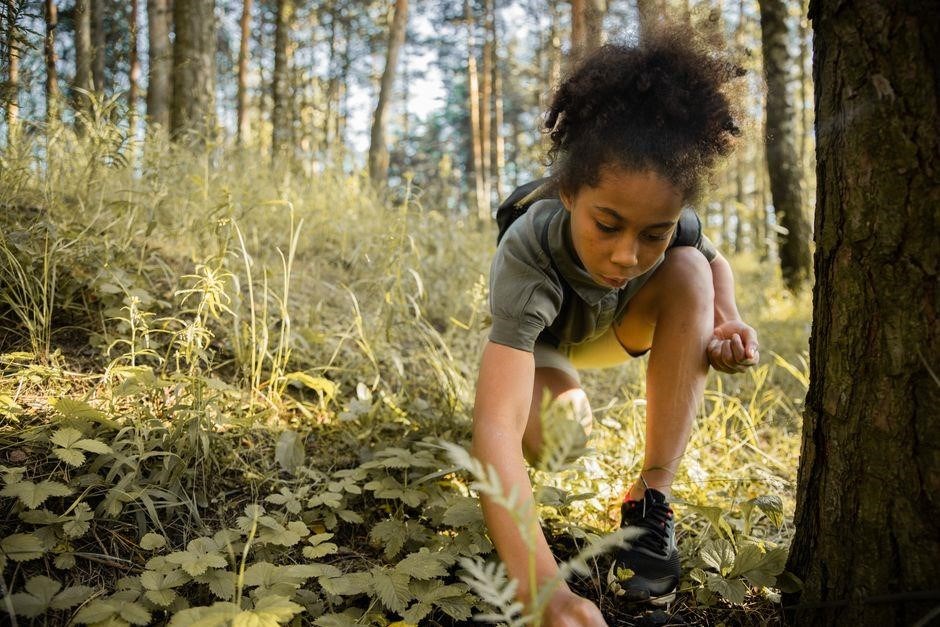
A successful printable hunt blends clear clues, engaging visuals, and tasks.. Use themed templates, concise instructions, and a printable checklist. Include a map, time limits, and safety notes. Offer rewards and encourage teamwork to keep excitement high fun!! Enjoy!!
Types of Clues
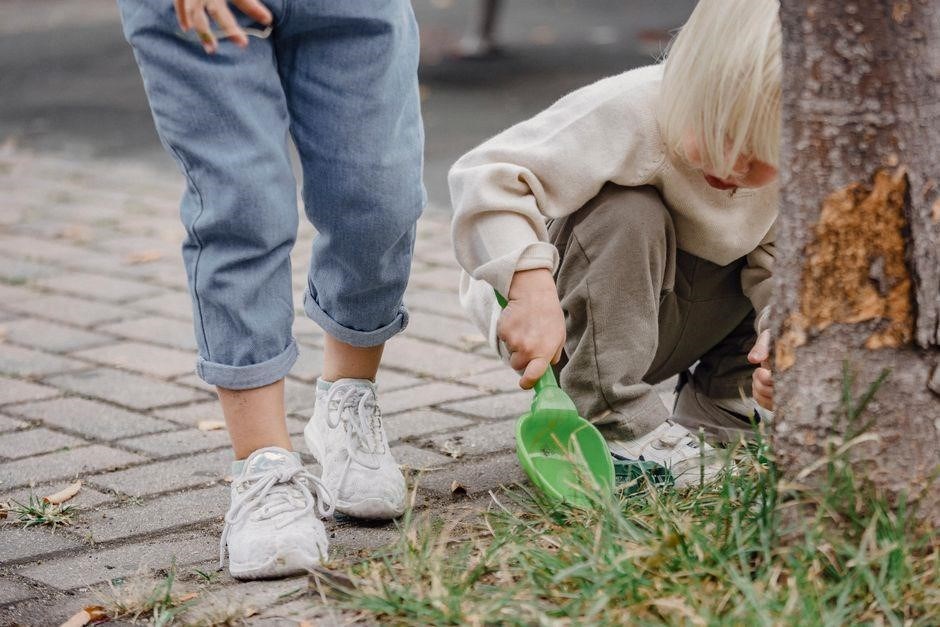
Printable outdoor scavenger hunt PDFs can feature a mix of clue types to keep participants engaged. Visual riddles use images or icons that hint at a location or object, while word puzzles require decoding a phrase or solving a crossword that leads to the next step. Physical clues involve finding a specific item in nature, such as a leaf with a particular shape or a stone that matches a given pattern. Audio clues, though less common in printed formats, can be incorporated by directing players to a QR code that plays a short sound. Cryptic clues rely on wordplay and double meanings, challenging players to think laterally. Trivia questions test knowledge about the local environment, encouraging research or observation. Sequential clues build a narrative, guiding players from one discovery to the next, creating a storyline that enhances immersion. Each type can be tailored to age groups, ensuring accessibility and fun for all participants. Interactive clues can involve simple tasks like collecting a leaf, a rock, or a feather, turning the hunt into a mini‑collection challenge. Historical clues reference local landmarks or stories, encouraging participants to research or ask locals for context. Sensory clues rely on smells, sounds, or textures, prompting players to use all senses to locate the next hint. Puzzle‑based clues might require assembling a map or decoding a cipher, adding a layer of intellectual engagement. Finally, reward‑based clues promise a small prize or a badge upon completion, boosting motivation and satisfaction and fun too.
Location Selection
Choosing the right spots for a printable outdoor scavenger hunt PDF is crucial. Start by mapping the area with a simple sketch or a digital map, marking safe zones, high‑traffic paths, and natural landmarks. Use FreePrintable.net’s customizable templates to overlay clues onto the map, ensuring each location is clearly labeled and easy to find. Prioritize places that are both engaging and accessible—think playgrounds, parks, botanical gardens, or even a quiet corner of a school yard. When selecting spots, consider the age group: younger children benefit from short distances and obvious markers, while older participants can handle longer routes and subtle hints. Safety first—avoid busy roads, steep slopes, or areas with restricted access. Incorporate a mix of indoor and outdoor settings if the weather is unpredictable; a sheltered gazebo or a shaded tree can serve as a temporary base. Test each location by walking the route yourself, verifying that the clues point to the correct spot and that the environment is suitable for the intended activity. Finally, document the chosen sites in a PDF checklist, including coordinates, a brief description, and any special instructions. This organized approach turns a simple printout into a polished, ready‑to‑use adventure that participants can enjoy without confusion or risk. When planning the hunt, consider the terrain’s natural features, such as streams, rock formations, or mature trees, and use them as landmarks. Incorporate local flora and fauna to create educational moments, and leave a small note or QR code at each spot to guide participants back to the start. Ensure that the PDF includes a simple map, a list of required supplies, and clear safety warnings. Explore with friends!
Time Management
Planning a printable outdoor scavenger hunt PDF demands precise timing to keep participants engaged and safe. Begin by estimating the total duration: a typical hunt for children lasts 45–60 minutes, while adults may enjoy 90 minutes. Split the route into segments, assigning each clue a time window. Use FreePrintable.net’s customizable templates to insert countdown timers or time stamps beside each clue, letting teams gauge progress. For larger groups, stagger start times by 5–10 minutes to avoid congestion at key spots. Add a brief “check‑in” pause at the midpoint, where teams record findings and take a short rest, giving organizers a chance to monitor flow and address issues. When designing the PDF, embed a simple schedule chart: start time, clue deadlines, and expected finish. Highlight any weather‑related changes, such as moving a clue indoors if rain is forecast. Include a “time‑bonus” section for teams that finish early, encouraging speed without compromising safety. Finally, provide a clear end point with a reward area and a short debriefing space where participants share experiences. A well‑structured time plan turns a printable PDF into a memorable, smoothly run adventure. Finally, test the hunt with a group before the event. Gather feedback on timing, clue clarity, and flow, then adjust the PDF accordingly. This iterative refinement ensures that the final printable hunt runs smoothly and delights participants.
Design Process
Start by choosing a theme that fits the locale—forest, beach, or city. Use FreePrintable.net templates to add colorful visuals, clues, and a map. Customize fonts, colors, and add a QR code for digital hints. Print on durable paper for outdoor use. Keep pages weather‑proof and test layout
Choosing a Theme
When designing a printable outdoor scavenger hunt PDF, the theme is the cornerstone that shapes every element—from the clues to the visual style. Selecting a theme that resonates with the participants’ age, interests, and the natural setting ensures engagement and excitement. Start by assessing the location: a wooded trail invites a forest or wildlife motif, a beachside path calls for nautical or treasure‑hunt vibes, while a city block can inspire a detective or mystery storyline. Once the setting is clear, think about the audience. Younger children benefit from bright themes such as pirates, superheroes, or kingdoms, while kids and adults may enjoy concepts like eco‑adventures, reenactments, or science quests. The theme should dictate the color palette, fonts, and imagery used throughout the PDF. For instance, a jungle theme might employ lush greens, earthy browns, and playful animal illustrations, while a space theme could feature starry backgrounds, bold metallic colors, and rocket graphics. Consistency is key—every clue card, map, and instruction sheet should reflect the chosen aesthetic to create a cohesive experience. Additionally, consider incorporating interactive elements that tie into the theme: puzzle pieces that form a map, riddles that reveal a secret code, or a scavenger hunt that culminates in a themed treasure chest. Finally, test the theme with a small group to gauge appeal and clarity before finalizing the PDF. A well‑chosen theme not only enhances visual appeal but also deepens immersion, making the hunt memorable and fun for all participants.
Incorporating Visuals
Visuals are the heartbeat of a printable outdoor scavenger hunt PDF. They transform plain text into an engaging, immersive map that guides participants through the adventure. Start with a high‑resolution map that outlines the trail, key landmarks, and clue locations. Use icons that match the chosen theme—pirate ships for a treasure hunt, footprints for a wildlife quest, or stars for a space‑themed game. FreePrintable.net offers a library of customizable templates that can be adapted to any setting; simply download the base file, replace placeholder graphics, and adjust the color scheme to match your theme.
Next, add illustrative elements that hint at the clues without giving them away. A faded sketch of a hidden object, a stylized compass, or a playful character can spark curiosity. Keep the visual hierarchy clear: bold headings, larger icons for main clues, and smaller symbols for secondary hints. Consistency in line weight, color saturation, and font style ensures the PDF feels cohesive and professional.
Incorporate interactive graphics such as QR codes that link to audio clues or short videos, and embed checklists with checkboxes that participants can tick off as they find each item. These elements not only enhance engagement but also provide a tangible sense of progress. Finally, test the PDF on both screen and print to confirm that all visuals render correctly and that the file size remains manageable for quick downloading and printing. Test the PDF on a small printout to verify all images display.
PDF Creation
Use free templates from FreePrintable.net, customize with your clues, icons, and colors. Export as PDF, ensuring high‑resolution images and readable fonts. Test on inkjet and laser printers, adjust margins, and add page numbers for a polished, ready‑to‑print hunt. Enjoy! Share it.
Choosing the Right Software

When building a printable outdoor scavenger hunt PDF, the software you pick shapes the final look and ease of use. FreePrintable.net supplies ready‑made templates that work well in common word processors, but you can also start from scratch in graphic‑design tools. For beginners, Canva offers a drag‑and‑drop interface, free templates, and instant PDF export. If you prefer a desktop solution, Scribus is open‑source and supports CMYK printing, making it ideal for high‑quality flyers. For those already in the Adobe ecosystem, InDesign gives precise control over typography, layout, and image placement; the final file can be saved as a PDF/X‑4 for professional printing. Microsoft Word or Google Docs are also viable; they allow quick text edits and image insertion, and both can export directly to PDF. After drafting, use Adobe Acrobat or the free PDFsam tool to merge pages, add interactive form fields, or compress the file for email distribution. Finally, test the PDF on both inkjet and laser printers to confirm that colors, margins, and page numbers appear correctly, ensuring a smooth printing experience for your scavenger hunt participants; Additionally, consider using PDF editing tools like Foxit or Nitro to add bookmarks and hyperlinks, enhancing interactivity for digital use. Printing on high‑resolution paper ensures crisp images, while using a matte finish reduces glare for outdoor visibility. Remember to test a sample print on your chosen printer to verify alignment and color fidelity before mass printing. All set for a memorable hunt! Enjoy Happy hunting.
Formatting for Print
To ensure your scavenger hunt PDF looks sharp on any printer, start by setting the document size to the paper you’ll use—commonly 8.5×11 inches for standard flyers or 11×17 inches for larger maps. Use 0.25‑inch margins on all sides and add a 0.125‑inch bleed if you plan to trim edges. Export images at 300 dpi; lower resolution will blur when enlarged. Embed all fonts or convert them to outlines to avoid substitution errors on different machines. Choose a CMYK color profile for print‑ready colors; RGB may shift when printed. When saving, select PDF/X‑4 or PDF/X‑1a to embed fonts, set compression, and include a transparent background. Include a page number and a small logo or QR code in the footer for branding. Add a table of contents with bookmarks for easy navigation if the PDF is interactive. Finally, proof the file on a test print, checking alignment, color accuracy, and that no text is clipped at the edges. Once verified, you can distribute the PDF via email or upload it to a free‑printable site like FreePrintable.net for community sharing.
When choosing paper, consider a matte finish to reduce glare under bright sunlight, and use a heavier stock—at least 80 lb—to withstand outdoor handling. Include a QR code that links to an online answer key, so participants can verify their findings instantly. For accessibility, add high‑contrast text and large fonts, and provide a printable answer sheet in a separate PDF. Finally, test the hunt to ensure clues are visible and the map is accurate before printing and gather feedback !.
Distribution and Setup
Once your scavenger hunt PDF is finalized, the next step is to make it accessible to participants. The most common method is to host the file on a free‑printable platform such as FreePrintable.net, where users can download the document directly. Participants can also receive a QR code that instantly opens the PDF on their mobile devices.
Before the event, print a test copy on the same printer and paper type you’ll use on site to confirm that fonts, images, and margins appear correctly. If the hunt will be played outdoors, consider printing on weather‑resistant cardstock or laminating the sheets to protect against rain and handling. Attach a small flag or sticker to each clue sheet for easy identification. Use a color‑coded system for clues to help participants track progress. When setting up the hunt area, clearly mark the start and finish points and place clue sheets at each location. Use waterproof markers or adhesive to secure the sheets to trees, rocks, or other stable surfaces.
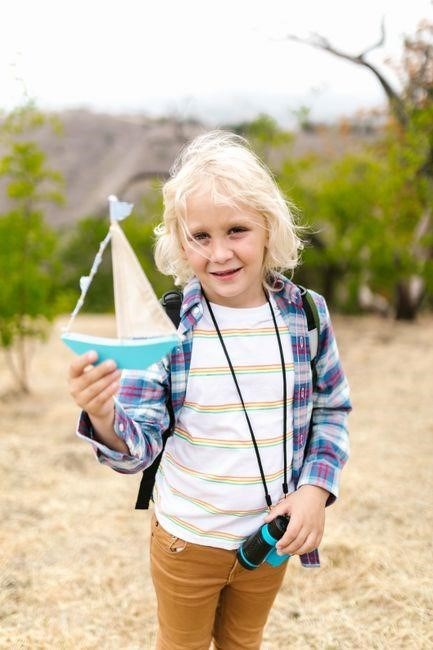
To keep the game organized, provide a simple registration sheet where participants write their names and team numbers. Hand out pencils or pens for note‑taking and a small bag or pouch to collect found items. Distribute answer sheets and collect completed hunts for prizes. Finally, brief the group on the rules, safety guidelines, and the time limit before the first clue is released. A well‑planned distribution and setup phase ensures a smooth, enjoyable experience for everyone involved!!